Why the Dog Walkers Winning in 2026 Aren't Just Walking Dogs
Kirsty Skeates Petbizai
“Stop selling walks. Start selling belonging. That's the shift that fills your books in 2026."
Author: Kirsty Skeates | Founder, PetBizAI.co.uk | AI Business Consultant for Pet Professionals
TL;DR Facebook ads aren't working for most dog walkers in 2026 because generic positioning doesn't build trust. The dog walkers winning right now own a specific idea in their local market (a niche, a community, a category that doesn't exist yet), optimise their websites for AI search agents, and build referral networks that keep their books full without paid advertising. This article breaks down exactly how to do that, including why community is the most underused growth tool in the pet industry and how the run club model could work for dog walkers who want to stand out completely.
A dog walker recently posted in a Facebook group asking how to get more clients. He was paying for Facebook ads and getting nothing back. He'd lost a handful of regulars to house moves and needed to fill some slots. Sound familiar?
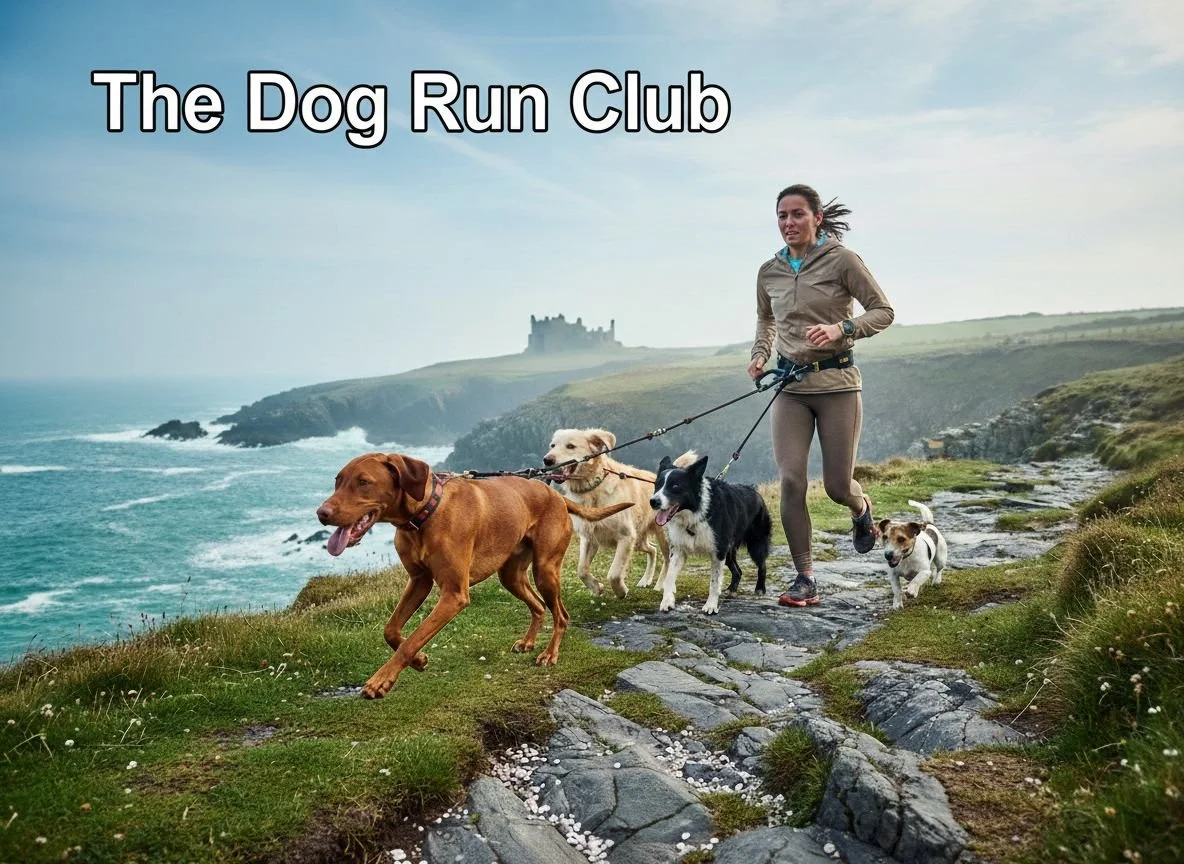
What struck me when I looked at his profile wasn't his ad strategy. It was something he hadn't thought to use at all. He's a runner. And I haven't seen a single dog walker in the UK market themselves as a Dog Run Club founder.
That's a category that doesn't exist yet. And that's exactly the kind of thinking that separates the dog walkers filling their books in 2026 from the ones spending money on ads that don't convert.
This article is about how to stop competing on price and availability and start becoming the obvious, only choice in your area.
Why Are Facebook Ads Failing Dog Walkers in 2026?
Facebook ads are failing many dog walkers in 2026 because generic service ads no longer create enough trust to generate enquiries in a saturated, AI-noise market. When every ad says "professional, insured, dog lover," none of them say anything meaningful. Clients scroll past because nothing stops them. There's no story, no specificity, no reason to choose you over the next result.
The real problem isn't the platform. It's the positioning. Before you fix the ad, you need to fix the answer to this question: why you, specifically?
What Is "Category Creation" and Why Should Dog Walkers Care?
Category creation means becoming the first and only business associated with a specific idea in your local area, so that when someone thinks of that thing, they think of you. It's not about being a better dog walker. It's about being a different kind of dog walker.
Examples of categories that barely exist yet in the UK pet industry:
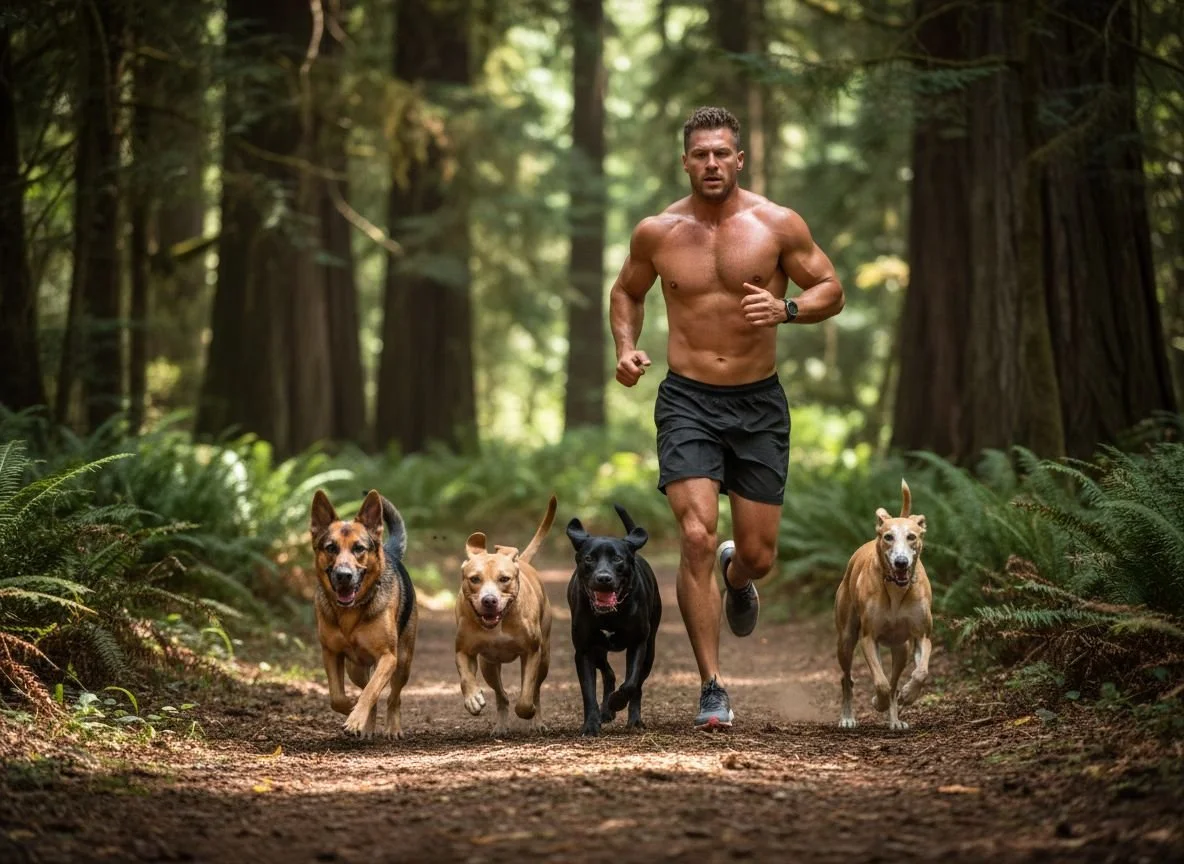
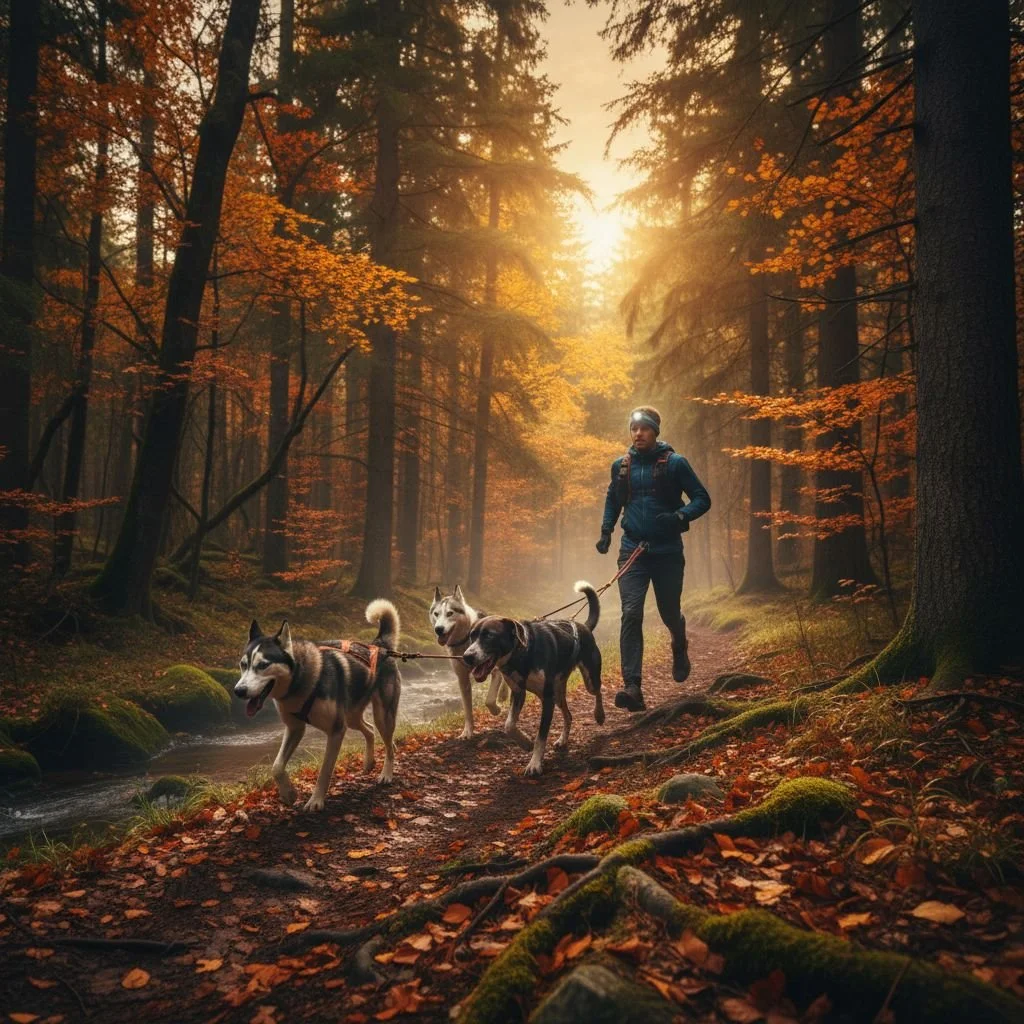
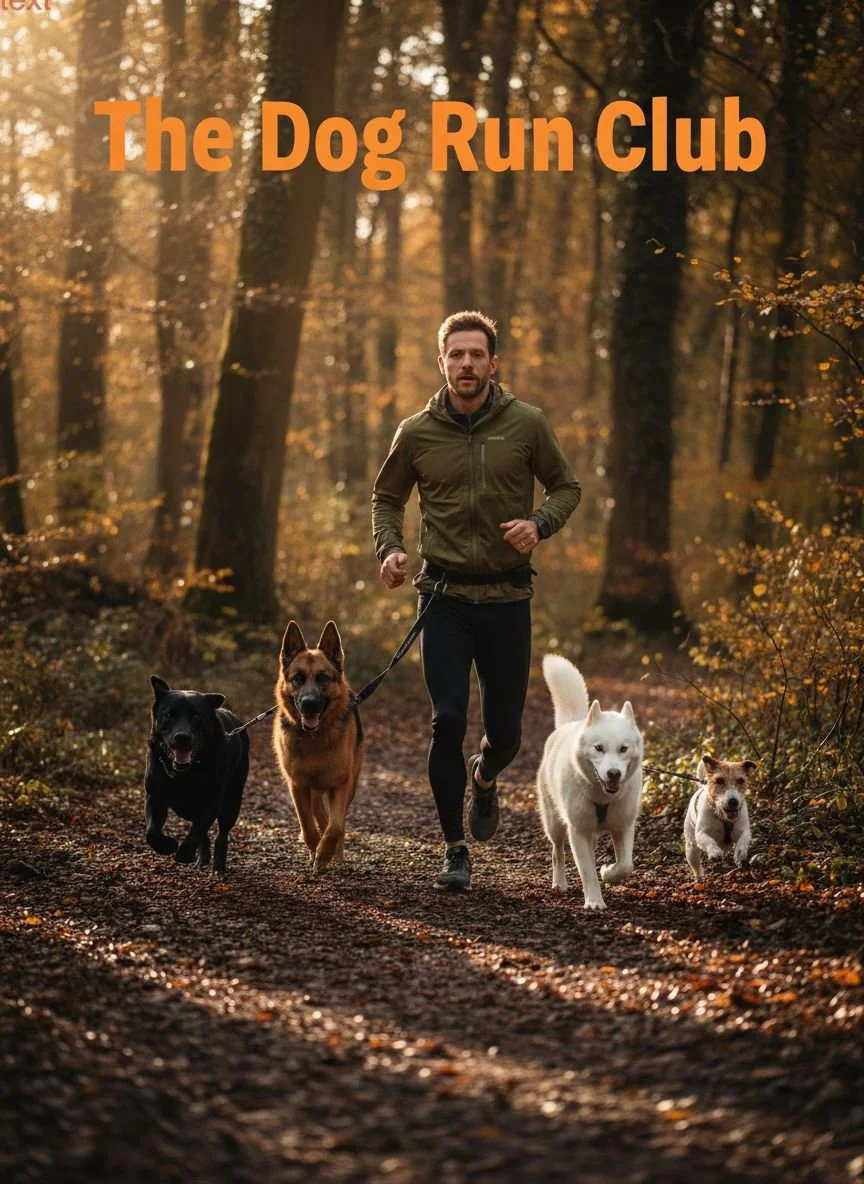
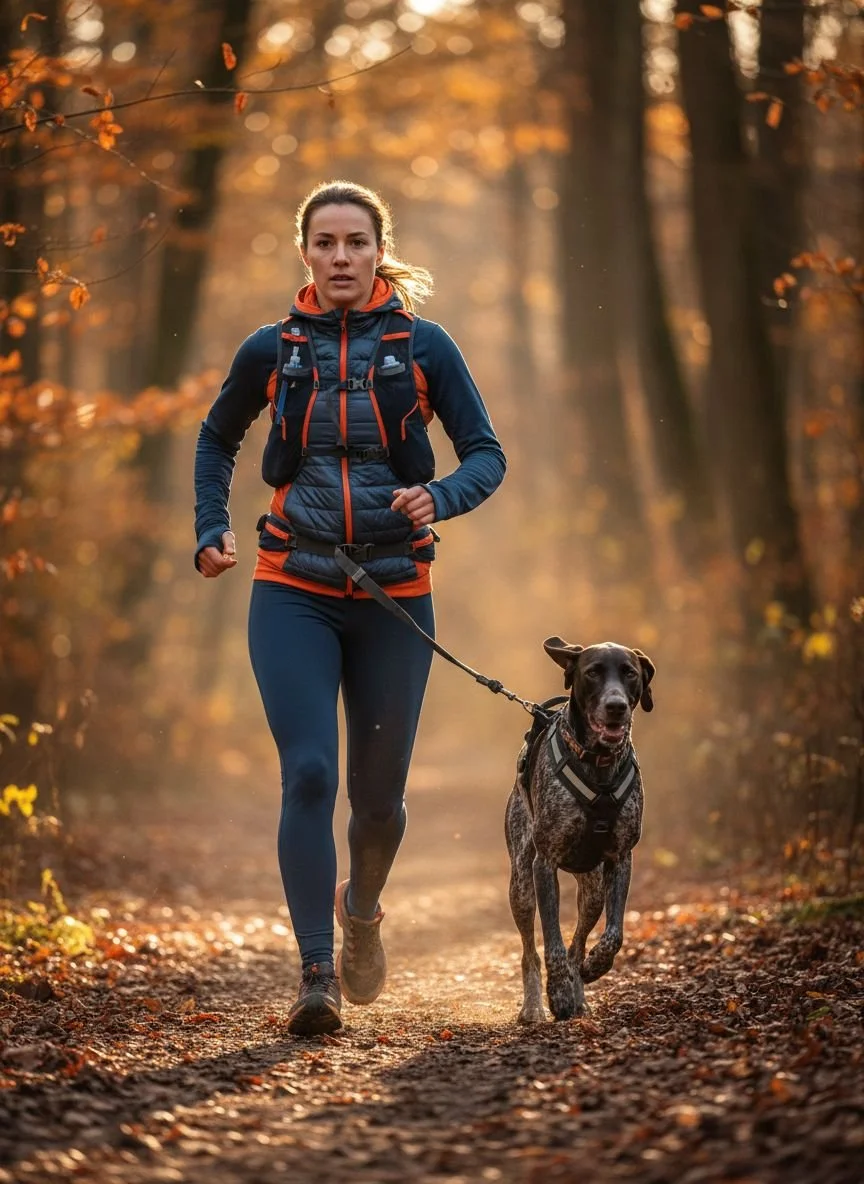
The Dog Run Club founder: a runner who walks high-energy breeds and hosts monthly owner-and-dog run events
The Decompression Walk specialist: focused exclusively on anxious, reactive, or nervous dogs
The Lunchtime Check-In walker: targeting hybrid workers who are home but can't step away from their desk
The Eco Walker: compostable bags, walking routes, and low-carbon travel are aligned with sustainability values
The Senior Dog Specialist: slower, shorter, therapeutic walks for older dogs with mobility issues
None of these requires new qualifications. They require a reframe and a consistent story built around it.
Why Is the Dog Walking Market Changing in 2026?
The UK pet industry has shifted from "find me someone to walk my dog" to "find me a professional I can genuinely trust with my pet." The 2025/2026 puppy cohort (the dogs bought and adopted during and after the pandemic) is now maturing into adult dogs with established needs and behaviours. Owners who were first-timers in 2020 now know what good looks like.
At the same time, AI search agents are changing how people find local services. When someone types "find me a dog walker in [Town] for a reactive spaniel," they're not always going to a search results page anymore. They're asking Claude, ChatGPT, or Gemini, and those tools pull answers from websites that clearly and specifically answer that exact question.
If your website just says "dog walker in [Town]," you're invisible to that search.
If it says "specialist in anxious and high-energy dogs in [Town], offering solo decompression walks and a monthly Dog Run Club," you're the answer.
What Do High-Energy Dogs Actually Need That Most Walkers Aren't Providing?
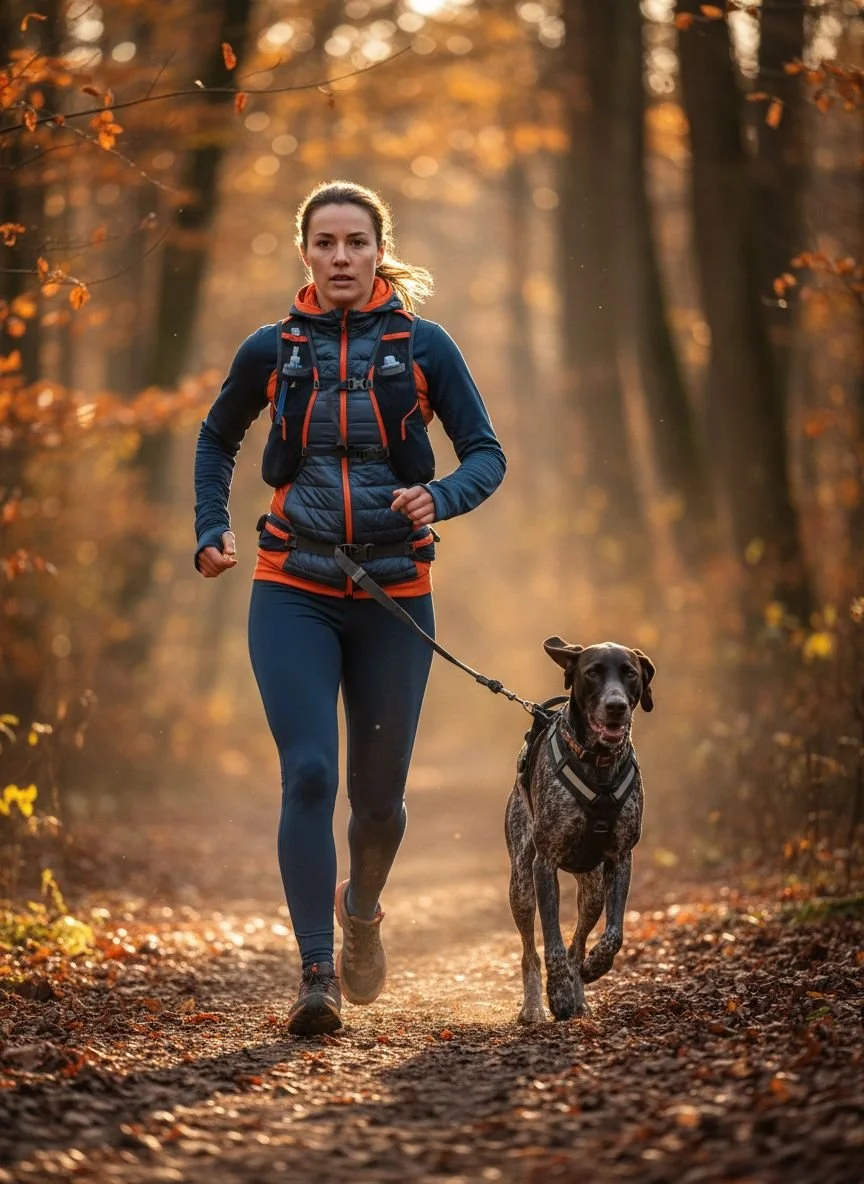
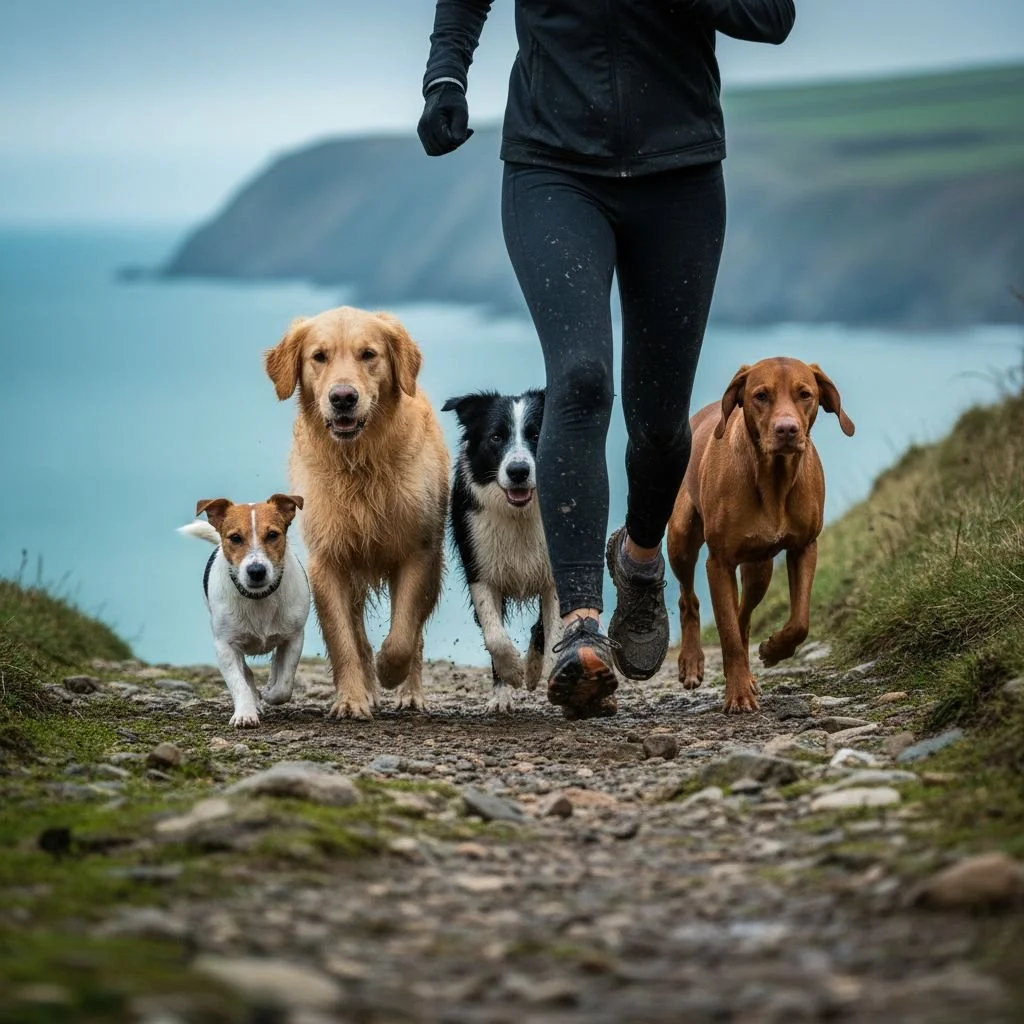
Many high-energy dog breeds need sustained aerobic exercise, not a 45-minute on-lead walk around the same route. Border Collies, Vizslas, Weimaraners, Siberian Huskies, Rhodesian Ridgebacks, Dalmatians, and German Shorthaired Pointers are among the breeds that are genuinely under-served by standard walking services.
For these dogs, a walk is maintenance. A run is fulfilment. And an owner who understands the difference is worth paying more for.
This is the insight behind the Dog Run Club idea, and it's a genuinely unexplored niche in the UK market right now. A dog walker who is also a runner, who offers both professional midday walking sessions and a monthly community run event for owners and their dogs, is operating in a category of one. And that category positioning does something even more powerful than filling slots. It builds community.
Why Is Community the Most Underused Tool in a Dog Walker's Business?
Dog walkers who bring owners and dogs together (rather than just managing animals) build something clients don't want to leave: a community. And community is what most service businesses completely miss.
Here's why this matters more than ever in 2026.
58% of UK adults report feeling lonely often, most or some of the time, according to CSJ research from 2024. Over 3.9 million people in Great Britain, around 7%, report feeling lonely often or always. These aren't abstract statistics. These are your potential clients: people who work from home, who moved to a new area, who got a dog partly because they wanted a reason to get outside and connect.
Dogs are one of the most natural antidotes to isolation. They force us outside. They create conversation. They give us routine. But most dog walking services are completely transactional. The dog goes out, comes back, and the owner is no more connected to their community than before.
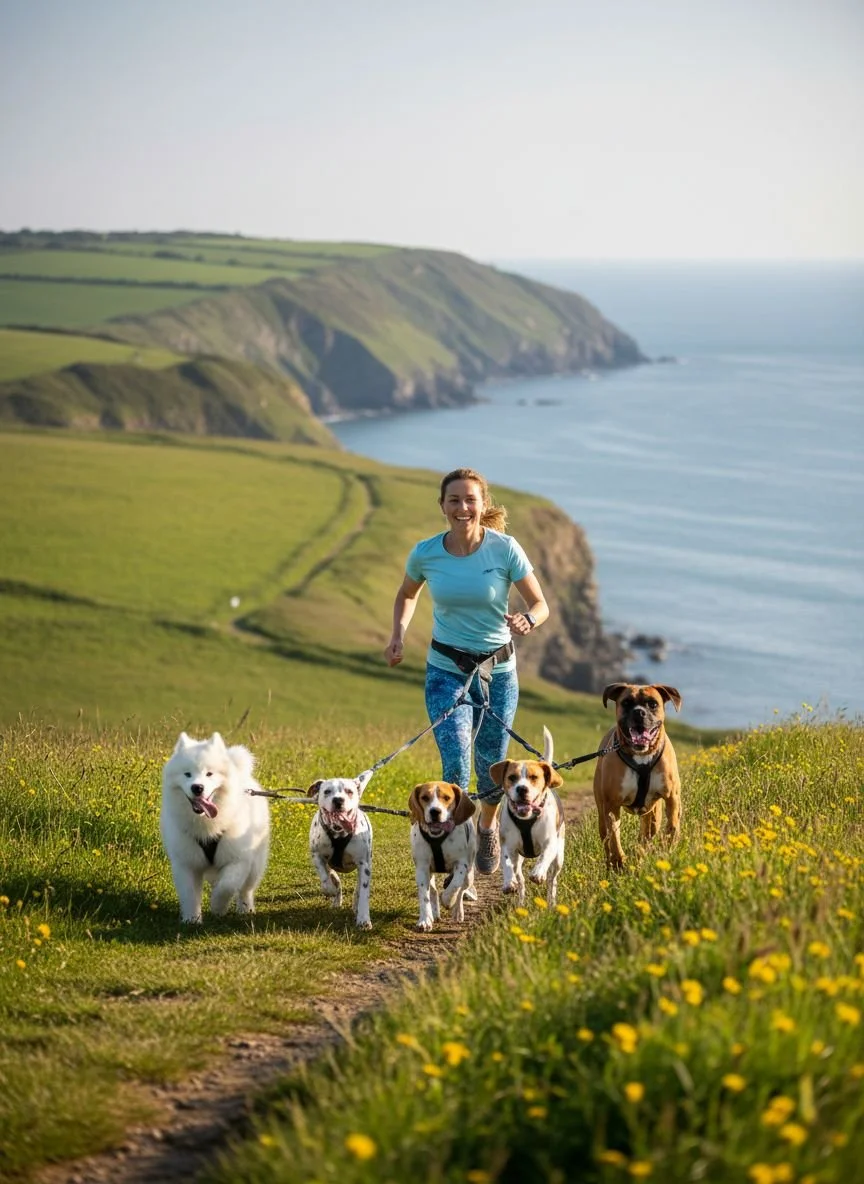
A monthly Dog Run Club (or a WhatsApp community, a dog park meetup, a local trail group) changes that. It turns a £15 walk into a reason to belong. And belonging is a far stronger retention mechanism than price.
The run club culture in the UK has already proven this works. People have run routes in the shape of a pizza for a free slice. Parkrun has 250,000+ weekly participants. The formula is simple: make movement communal, give it an identity, and people show up consistently.
Apply that to dog walking and you have a business model that generates word-of-mouth, recurring income, and a waiting list, without a single Facebook ad.
How Should Dog Walkers Optimise for AI Search in 2026?
To be recommended by AI tools like ChatGPT, Claude, or Google's AI Overviews, your website needs to directly and specifically answer the questions your ideal clients are asking. This is called Answer Engine Optimisation (AEO) and it's where most small pet businesses are completely invisible.
What this looks like in practice:
Instead of: "Professional, insured dog walker in [Town]"
Write: "Do you walk anxious dogs in [Town]? Our solo decompression walks are specifically designed for reactive and nervous dogs who don't do well in group settings. We cover [specific streets/areas] and have [X] years of experience with high-anxiety breeds."
AI agents pull answers from pages that directly address specific questions. The more specifically you answer a real question a client might ask, the more likely you are to be the answer an AI recommends.
Quick AEO checklist for dog walkers:
Add a "Services & Areas Covered" page that lists specific streets, postcodes, or neighbourhoods
Write a FAQ section that answers real client questions (not just "do you have insurance")
Use your niche language clearly: "decompression walks," "high-energy breed specialist," "solo walks for reactive dogs"
Get value-based Google reviews: "Sarah understands nervous dogs and sends GPS updates after every walk" beats "great service!" every time



What Is the Fastest Way to Fill Dog Walking Slots Without Paid Ads?
The fastest route to filling dog walking slots without Facebook ads combines three things that cost nothing but time: a fully optimised Google Business Profile with specific, value-based reviews; short-form video content showing real walks (not polished, just real); and one referral relationship with a local professional (a trainer, vet, or estate agent) who meets your ideal clients before you do.
These three actions, done consistently over 4 to 6 weeks, will outperform most paid ad strategies for a local service business.
The estate agent strategy is particularly underused. New homeowners who've just moved into your area arrive without a dog walker. If you've given the local estate agent a pack of "Welcome to the Neighbourhood" vouchers to hand out, you're the first name they hear before they've even unpacked.
How Does a Dog Walker Build a Referral Business From Scratch?
A referral-based dog walking business is built by identifying who meets your ideal client before you do, and creating a reason for them to recommend you. In 2026, the most valuable referral sources for dog walkers are:
Puppy trainers: the first professional a new dog owner works with
Local vets: who only recommend walkers they trust (insurance and Canine First Aid are non-negotiable for this)
Estate agents: who meet new homeowners moving into your area
Dog-friendly businesses: coffee shops, pet shops, groomers who serve the same local community
The referral relationship works both ways. Recommend them back. Be part of the local professional ecosystem, not just a lone operator.
What Does Good Dog Walker Branding Look Like in 2026?
Good dog walker branding in 2026 is specific, visual, and community-rooted. It shows the experience, not just the service. A short Reel of a decompression walk looks completely different to a Reel of a group run, and that difference tells a story before the client has read a single word.
The key shift is to stop branding yourself as "a dog walker" and start branding yourself as the answer to a specific problem your ideal client has.
"The walker for high-energy breeds who need more than a stroll"
"Solo walks for dogs who don't do well in a pack"
"The lunchtime check-in for work-from-home dog owners"
"The only Dog Run Club in [Town]"
Wear that positioning on your branded gear. Build your Instagram around it. Make it the first line of your Google Business Profile description. Document it on video. The dog walkers who own a clear identity in 2026 are not just easier to find. They're harder to leave.
Summary: The Dog Walker Business Shift in 2026
The dog walkers building waitlists in 2026 aren't working harder. They're thinking differently. They've stopped competing on price and availability and started owning a specific idea in their local market. They've built community, not just a client list. And they've made themselves easy for both humans and AI tools to find and recommend.
The opportunity is wide open. Most dog walkers are still marketing like it's 2019. The ones who make the shift now will be the ones their competitors are studying in two years.
Frequently Asked Questions
Do I need to be a specialist to stand out as a dog walker? No. You don't need new qualifications to niche down. You need to look at what you already do well, or what you genuinely enjoy, and build your marketing language around that. If you're great with nervous dogs, that's your niche. If you're a runner, that's your edge. Specialisation is mostly about how you talk about yourself, not about changing what you do.
Why aren't my Facebook ads getting any enquiries? Most dog walking ads fail because they're too generic. "Professional, insured, dog lover" describes every dog walker in your area. The ad gives the reader no reason to stop scrolling. Before spending more on ads, work on your positioning. Once you know specifically who you're for and what makes you different, your ad copy almost writes itself.
What is Answer Engine Optimisation (AEO) and does it matter for a small dog walking business? AEO is about making your website visible to AI tools like ChatGPT, Google's AI Overviews, and Claude, which are increasingly being used to find local services. If someone asks "who walks reactive dogs in [Town]," AI tools will pull answers from websites that directly address that question. For a local service business, this matters more each year. The good news is that the changes needed (a clear services page, a FAQ section, specific location details) are straightforward to implement and cost nothing.
How do I get on a vet's recommended list as a dog walker? Most vets will only recommend walkers who can show proof of public liability insurance and a recognised Canine First Aid qualification at minimum. Some practices also want to see a DBS check. Once you have those in place, introduce yourself in person, leave a business card, and ask to be added to their referral list. Follow up once. Vets get asked regularly, so professionalism and persistence (without being pushy) is what gets you remembered.
Is a Dog Run Club a realistic business idea or just a nice concept? It's realistic, but it requires consistency to build. The first few events might be small. That's fine. The value comes from the community that forms around it over time, the word-of-mouth it generates, and the positioning it gives you in your local market. Run club culture in the UK already has a proven audience. Applying it to dog ownership is a natural extension that nobody has properly claimed yet.
How long does it take to fill dog walking slots without paid ads? Realistically, 4 to 6 weeks of consistent effort across Google Business Profile optimisation, short-form video content, and one or two active referral relationships will begin to generate steady enquiries. It's slower than running ads, but the leads are warmer, the clients tend to stay longer, and there's no ongoing cost once the system is in place.
What's the single most important thing a dog walker can do this week to get more clients? Ask your three best current clients for a specific, value-based Google review. Not "they're great," but something that describes exactly what you do well: the GPS updates, the way you handle anxious dogs, the communication after every walk. Three strong reviews will do more for your local visibility than most ad campaigns.
Are you a dog walker, groomer, or pet professional ready to think differently about your business?
PetBizAI helps pet industry professionals use AI tools to save time, attract better clients, and build businesses that actually fit their life. Visit petbizai.co.uk
Other Blogs you might like to read

Sources:
Centre for Social Justice, Lonely Nation, 2024
ONS, Community Life Survey 2024/25: Loneliness and Support Networks
Campaign to End Loneliness, Facts and Statistics

What if AI could start your day before you’ve even opened your laptop?
In this post, I share how I use audio-first AI tools during my morning routine to stay informed, think clearer, and fit AI into real life without adding more to my to-do list. If you’ve been wondering how to actually use AI in your day-to-day as a pet business owner, this is a simple place to start.